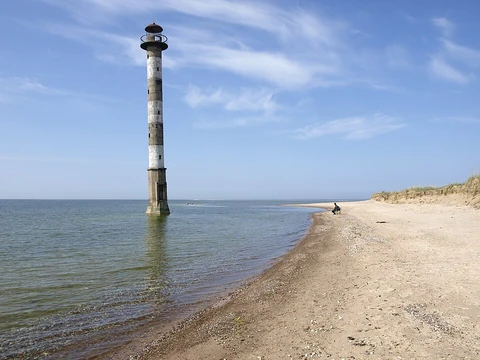
Tierra del Fuego
Archipelago at South America's tip, divided between Chile and Argentina.

Godot13 · CC BY-SA 4.0
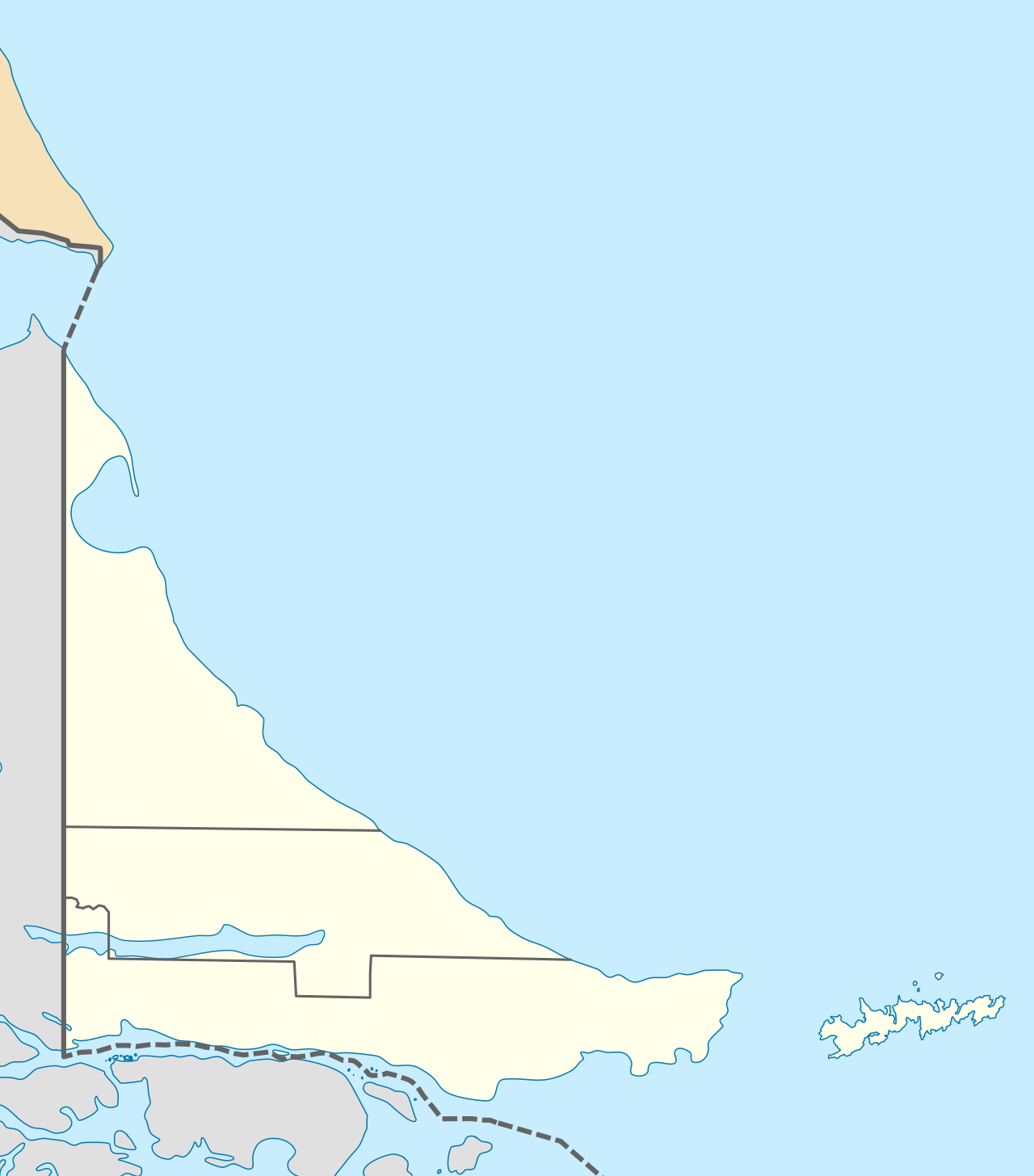
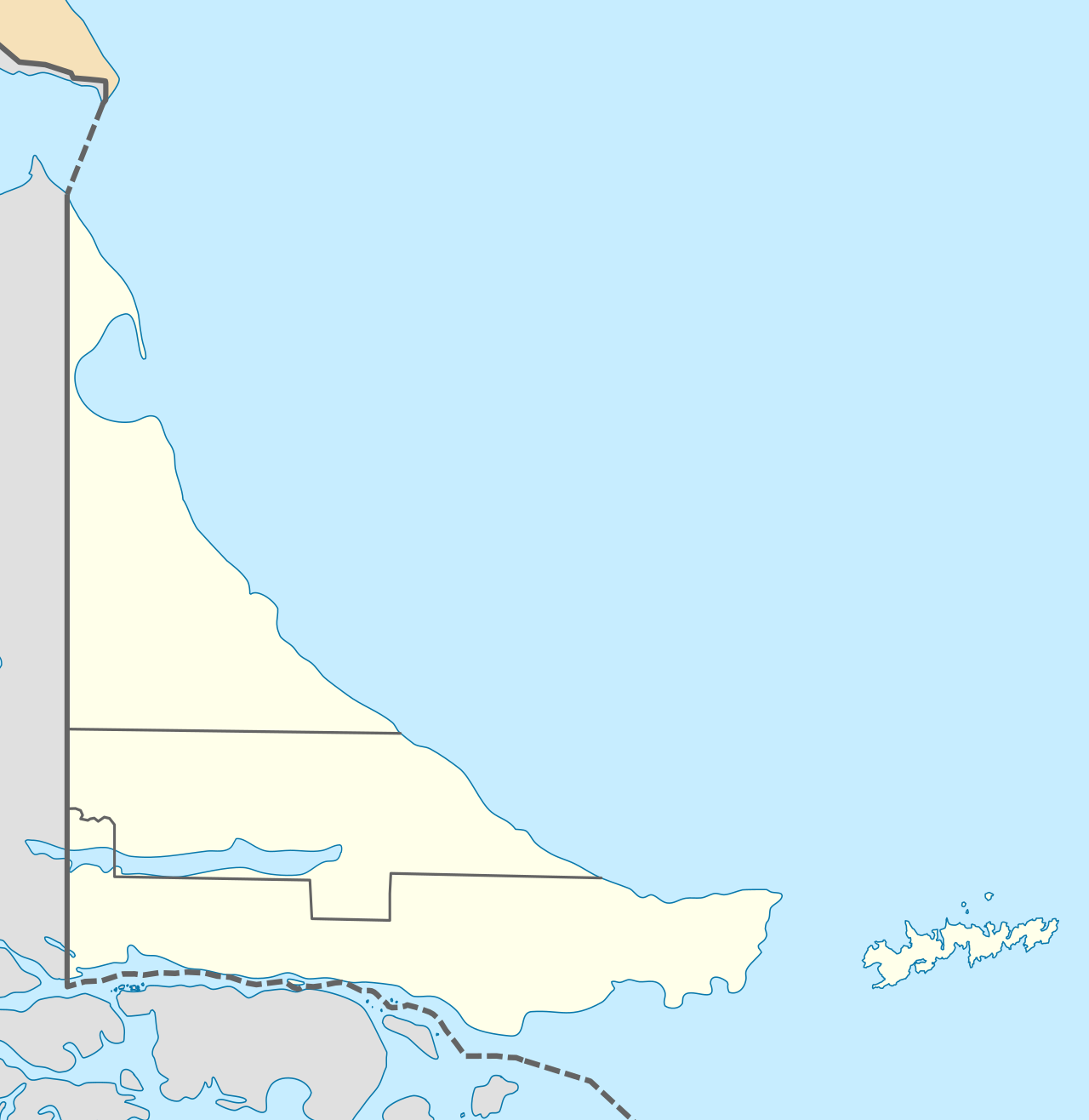
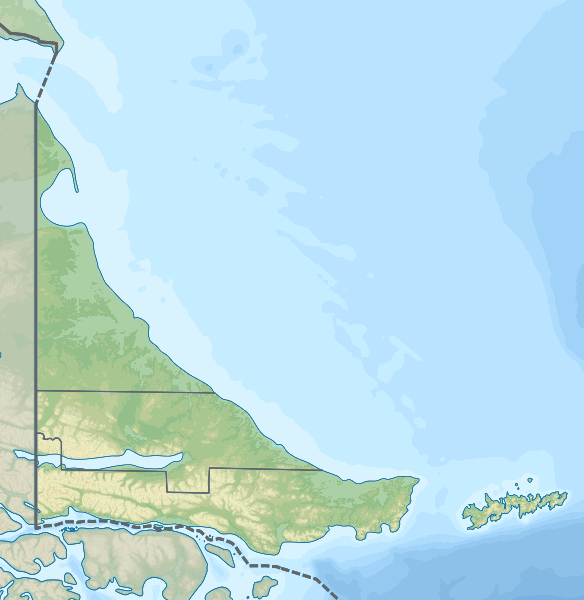
Tierra del Fuego is an archipelago off the southernmost tip of the South American mainland, across the Strait of Magellan. It consists of the main island, Isla Grande de Tierra del Fuego, along with numerous smaller islands including Cape Horn and Diego Ramírez Islands. The western part belongs to Chile, and the eastern part to Argentina.
- division
- Chile (west) and Argentina (east)
- southernmost_point
- Cape Horn, just north of 56° south
- economic_activities
- petroleum, tourism, manufacturing, Antarctic logistics
Lore & Background
The earliest-known human settlement in Tierra del Fuego dates to c. The name 'Land of Fire' stems from sightings of fires built by inhabitants along the coastline and possibly in canoes for warmth and signaling. Settlement by Europeans and displacement of native populations began in the second half of the nineteenth century, during the Patagonian sheep farming boom and local gold rush. Today, petroleum extraction dominates in the north, while tourism, manufacturing, and Antarctic logistics are important in the south.
Reader's Guide
Tierra del Fuego holds significance as the southernmost inhabited archipelago of the Americas, marking the boundary between the Atlantic and Pacific Oceans. The archipelago's gold rushes in the late 19th century spurred immigration and conflict with native Selkʼnam and Yaghan peoples, leading to their near extinction. The region's unique geology, including the Magallanes–Fagnano Fault and Cordillera Darwin glaciers, continues to be studied.
Did You Know?
- The archipelago is divided between Chile (western two-thirds) and Argentina (eastern part).
The Land of Fire: Naming and First Encounters
The name Tierra del Fuego was born from a moment of fear and wonder in 1520, when Ferdinand Magellan, a Portuguese navigator sailing under the Spanish flag, rounded the strait that now bears his name and glimpsed flickering lights along the dark coastline. Convinced the flames were signals from Indigenous warriors waiting in the forests to ambush his fleet, he christened the territory 'Land of Fire.' That dramatic misreading stuck, and the name endures to this day.
For decades afterward, European knowledge of the archipelago remained fragmentary. In 1525 Francisco de Hoces became the first to suggest the land was actually a collection of islands rather than part of the vast southern continent then called Terra Australis. Francis Drake charted additional coastline in 1578, and a Dutch East India Company expedition in 1616 gave Cape Horn its name after the Hornos Island where it anchored.
The most celebrated early encounter came aboard HMS Beagle in 1830, when Captain Robert FitzRoy brought four native Fuegians, including Orundellico—known in England as Jemmy Button—to London, where they briefly became court celebrities before returning home alongside a young naturalist named Charles Darwin.
Indigenous Roots and a Century of Loss
Human presence in Tierra del Fuego stretches back roughly ten millennia. Archaeological evidence at sites like Navarino Island points to the Yahgan as among the earliest known inhabitants, settling the archipelago around 8,000 BC. For millennia these communities thrived, building coastal fires for warmth—fires that would later terrify European sailors.
The nineteenth century brought a catastrophic turning point. Salesian Catholic and Anglican missionaries established outposts at Río Grande, Dawson Island, Keppel Island, and Ushuaia. The Anglican priest Thomas Bridges, working at Ushuaia, devoted decades to learning the Yaghan language and compiling a 30,000-word grammar and dictionary still regarded as a cornerstone of ethnological scholarship.
Yet goodwill could not halt the devastation. The gold rush that drew Argentines, Chileans, and Croatians to the main island between 1883 and 1909 intensified violent clashes with the Selk'nam. Infectious diseases to which Indigenous people had no immunity swept through communities, and mass transfers to the Dawson Island mission proved deadly. The Romanian entrepreneur Julius Popper, granted exploitation rights by the Argentine government, has been identified as a central figure in the Selk'nam genocide. Today only a handful of Selk'nam survive, and the few remaining Yaghan are scattered across Navarino Island and both nations.
From Gold to Oil: Economic Transformation
The late nineteenth century transformed Tierra del Fuego from a remote archipelago into a magnet for fortune-seekers. In 1879, a Chilean expedition led by Ramón Serrano Montaner reported substantial placer gold in the streams and riverbeds of the main island. The news triggered a wave of immigration between 1883 and 1909, drawing Argentines, Chileans, and Croatians who founded small settlements that would grow into the towns of Ushuaia, Río Grande, Porvenir, and Puerto Toro. The Patagonian sheep farming boom of the same era added another economic thread.
The twentieth century brought a different kind of wealth. In 1945, a division of Chile's state production corporation CORFO, engaged in oil exploration, struck petroleum in the northern part of the archipelago. Extraction began the following year, and in 1950 the Chilean state established ENAP, the National Petroleum Company. Until 1960, the majority of Chile's oil output came from Tierra del Fuego.
Today the economic landscape remains bifurcated: petroleum extraction still dominates the north, while the south leans on tourism, light manufacturing, and the logistics infrastructure that supports Antarctic operations.
Divided by Treaty, Defined by Tension
Before 1881, both Argentina and Chile claimed the entirety of Tierra del Fuego. The Boundary Treaty signed that year finally drew a line through the archipelago, allocating roughly two-thirds of the territory—including most of the smaller islands—to Chile, and the remaining eastern portion to Argentina. On the main island, Isla Grande, Chile holds about 61 percent of the land area while Argentina holds the rest, with the Beagle Channel running east–west just south of the island and the larger southern islands of Hoste and Navarino falling under Chilean jurisdiction.
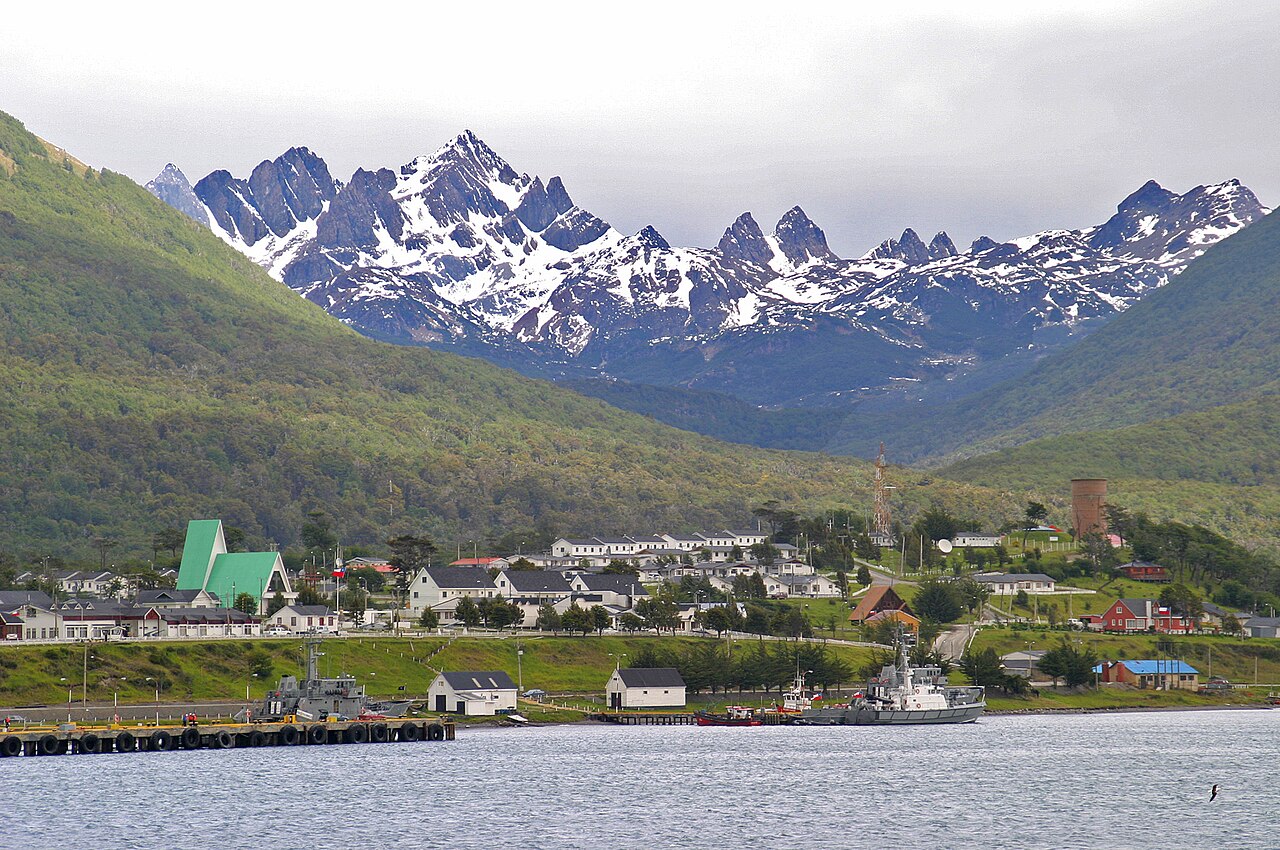
The division, however, never fully resolved tensions. In the 1940s both nations lodged competing Antarctic claims, and in the 1950s the Chilean military founded Puerto Williams as a strategic outpost. The most dangerous flashpoint came in the 1960s and 1970s, when Argentine sovereignty claims over the Picton, Lennox, and Nueva Islands brought the two countries to the very brink of armed conflict.
Politically, the archipelago continues to evolve. In 1986 the Argentine congress voted to make its portion of Tierra del Fuego a new province, a split that took effect on 26 April 1990.
Gallery
Frequently Asked Questions
What is Tierra del Fuego?
Tierra del Fuego is a sprawling archipelago perched at the very bottom of South America, sitting just beyond the Strait of Magellan. It is made up of the large Isla Grande de Tierra del Fuego together with a string of smaller islands, among them Cape Horn and the Diego Ramírez group.
How is Tierra del Fuego divided politically?
The archipelago is split roughly down the middle, with Chile administering the western portion and Argentina holding the eastern side. This boundary runs through the heart of the main island.
What is the southernmost point of Tierra del Fuego?
Cape Horn, sitting just north of 56 degrees south latitude, marks the archipelago's extreme southern tip. It has long been one of the most notorious and feared waypoints for sailors crossing between the Atlantic and Pacific.
What does Tierra del Fuego's economy rely on?
The region leans on petroleum extraction, tourism, and light manufacturing as its primary economic engines. It also functions as a critical logistics staging ground for Antarctic research and supply operations.
More in Peninsulas And Capes 1-24
Elsewhere in the Peninsulas And Capes universe
Spotted an error? Know more?
This is a living reference — every entry is fact-audited, and reader corrections feed straight into our audit queue. Suggest an edit · See this site's audit record