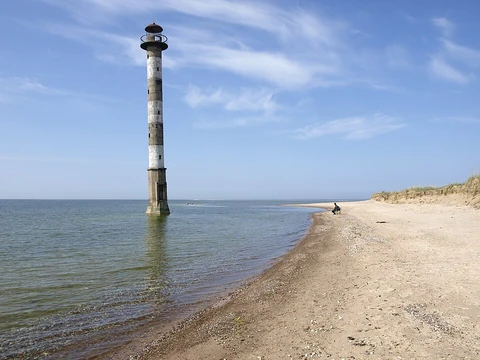
Alaska Peninsula

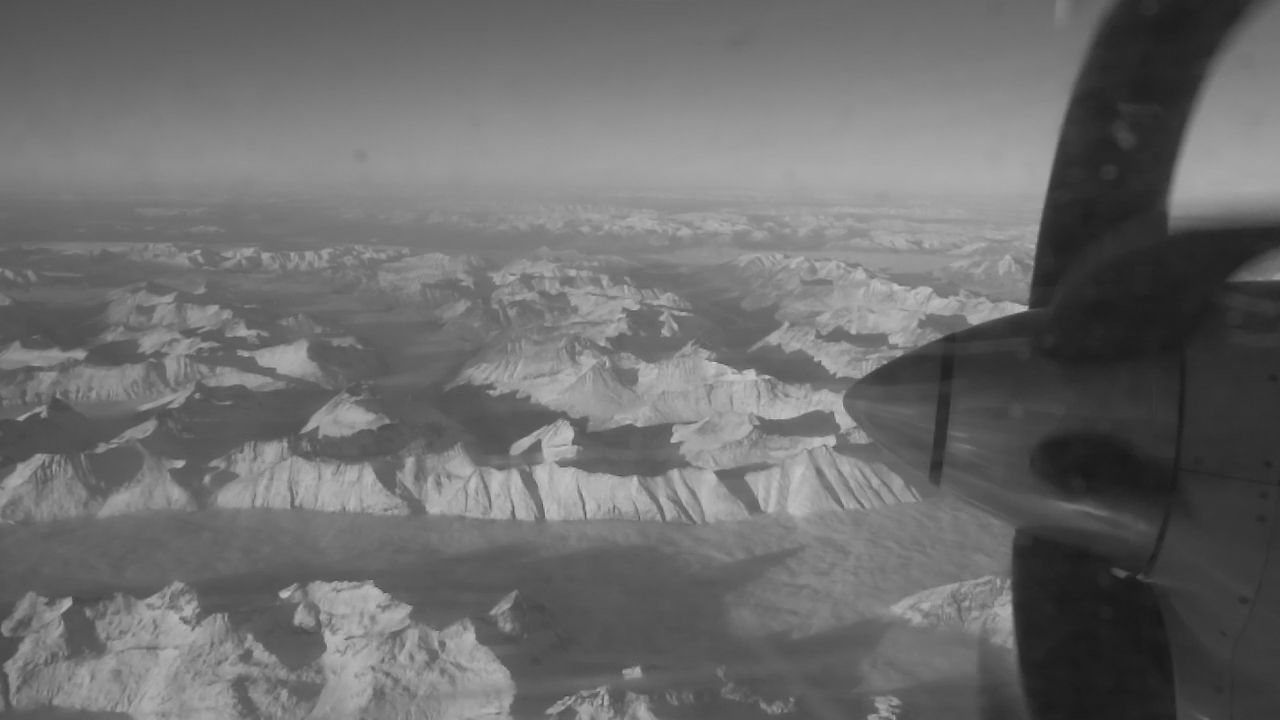
James Brooks from Juneau, Alaska · CC BY 2.0
- Location
- Southwest Alaska
- Separates
- Pacific Ocean and Bristol Bay (Bering Sea)
- Mountain range
- Aleutian Range (volcanic)
- Major boroughs
- Aleutians East, Bristol Bay, Lake and Peninsula
Lore & Background
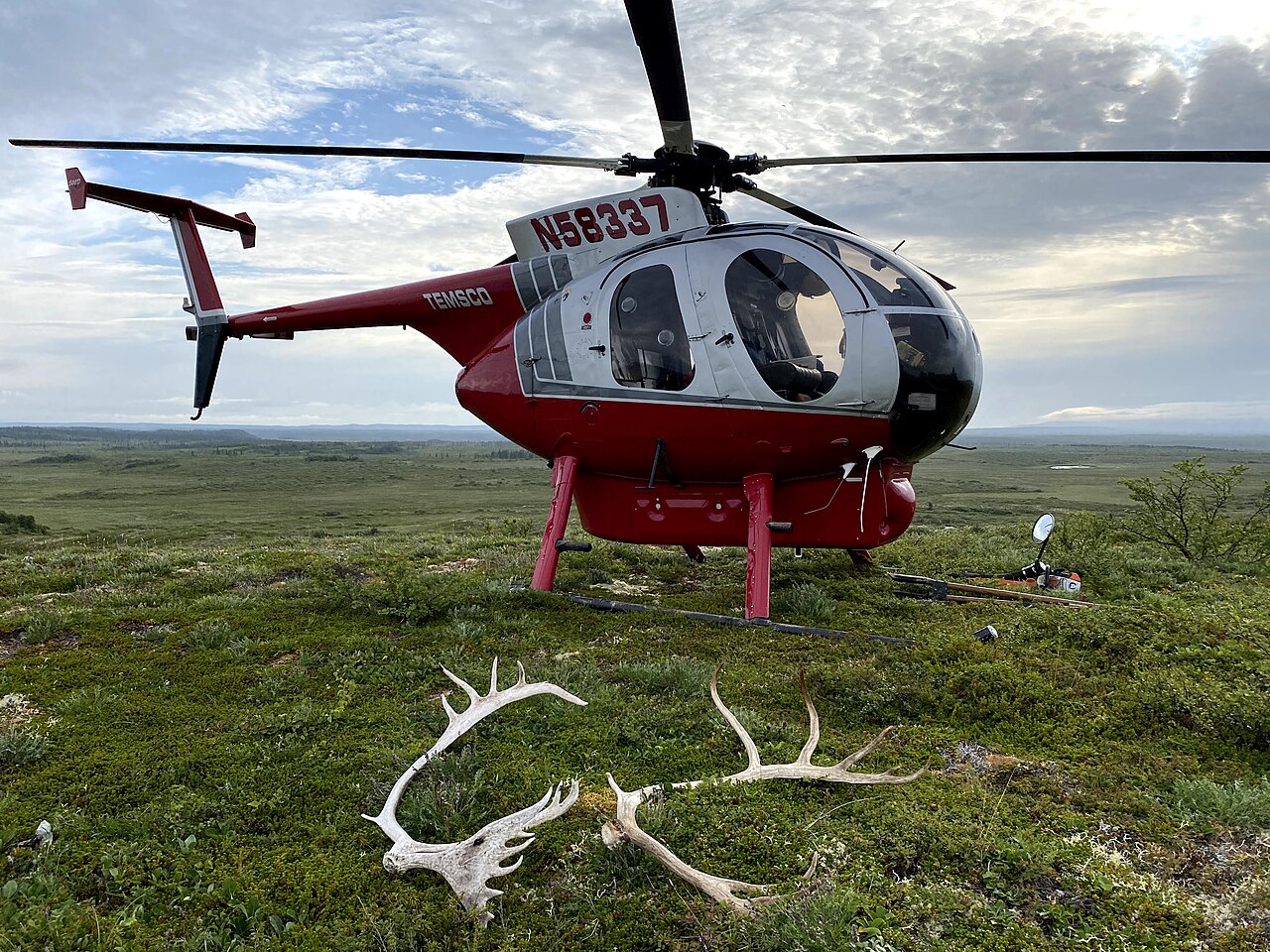
The peninsula is home to some of the largest populations of native wildlife in the United States, including brown bears, caribou, moose, wolves, waterfowl, and willow ptarmigan. The bears feed on the world's largest sockeye salmon runs, which spawn in the peninsula's many large lakes. Exceptionally large seabird colonies and sea mammals such as harbor seals, whales, sea otters, and sea lions inhabit the coast.
Reader's Guide
Its rugged southern coast and flat northern coast illustrate contrasting geological processes. The peninsula supports exceptional wildlife populations, including the world's largest sockeye salmon runs and dense brown bear concentrations, making it a critical area for conservation. The peninsula's climate, comparable to parts of Scotland, Iceland, and Tierra del Fuego, features intense storms and variable temperatures. The region's indigenous communities rely heavily on fishing, sustaining traditional ways of life. The peninsula's name in Russian literature historically referred to all of what is now Alaska exclusive of its panhandle and islands.
Did You Know?
- The Alaska Peninsula is also called the Aleutian Peninsula.
- The peninsula separates the Pacific Ocean from Bristol Bay, an arm of the Bering Sea.
- The peninsula's brown bears feed on the world's largest sockeye salmon runs.
The Anatomy of a Peninsula
The very word carries a poetic lineage: from the Latin paene, meaning 'almost,' combined with insula, meaning 'island.' A peninsula is, in essence, land that nearly becomes an island but retains its tether to the mainland. Its defining characteristic is that water surrounds it on most sides, though the encircling waters need not form a single named body. The concept stretches across a spectrum of coastal features—a headland, a cape, an island promontory, a bill, a point, or even a spit can all qualify under the broader umbrella. A point, for instance, is a tapering projection into water that lacks the prominence of a cape. English speakers pluralize the term as peninsulas, though the less common Latin form peninsulae persists in scholarly writing. Perhaps most surprisingly, a river carving through an extremely tight meander can create a peninsula-like landform within the nearly closed loop of its own waters, blurring the boundary between fluvial and maritime geography.
A Worldwide Phenomenon
Peninsulas are not confined to any single region; they punctuate coastlines across every inhabited continent. In Africa, the Horn juts into the Guardafui Channel, encompassing Djibouti, Eritrea, Ethiopia, and Somalia as the continent's easternmost projection. Macaronesian islands like Tenerife and Fuerteventura host their own smaller promontories, while West Africa offers the Lekki Peninsula in Lagos and Cap-Vert in Senegal. Antarctica presents a cluster of named peninsulas—Antarctic, Edward VII, Fletcher, Fowler, and Martin—anchoring the icy continent's coastal geography. Asia boasts an extraordinary density: the Korean landmass, the Deccan in South Asia, the Arabian and Anatolian peninsulas in the west, and dozens across Japan, China, and Southeast Asia. Even North America contributes entries such as Labrador in Canada and Placencia in Belize, confirming that no coastline is exempt from this recurring geological pattern.
Europe: The Continental Exception
Of all the world's peninsulas, Europe occupies a singular and somewhat paradoxical position. Geographers sometimes classify the entire European landmass as one vast peninsula extending off the broader Eurasian plate, making it among the largest on Earth. What sets it apart from every other entry in any global list is its elevation to full continental status—a distinction rooted in long-standing convention rather than in any strict scientific criterion. Within this macro-peninsula, four major component formations stand out: the Scandinavian, Iberian, Balkan, and Apennine. The Iberian dominates its region, swallowing continental Portugal, Spain, Andorra, Gibraltar, and a sliver of southern France. The Apennine defines Italy's shape. The Balkan, however, occupies a contested place in geographic discourse; modern geographers largely reject the label because the region's natural borders do not align cleanly with the technical definition of a peninsula, even though the term persists in common usage.
Boundaries, Disputes, and Transformation
Peninsulas are not static curiosities; they are sites of political tension, engineering intervention, and shifting identity. The Bakassi region in Cameroon, for example, is claimed by Nigeria as well, illustrating how a stretch of coastal land can become a flashpoint between sovereign states. In Greece, the Peloponnese—once the quintessential peninsula—has been effectively transformed into an island by the excavation of the Corinth Canal, a human-made alteration that rewrites its geographic classification overnight. The Korean landmass, meanwhile, is defined by the Korea Strait, which links the East Sea to the Yellow Sea and frames the peninsula on both its eastern and western flanks. Even at the smallest scale, features like Le Clos du Valle on Guernsey or the Ards Peninsula in Northern Ireland remind us that the peninsula concept operates across an enormous range of sizes, from a few hundred meters to thousands of kilometers, bound together by the same fundamental relationship between land and water.
Gallery
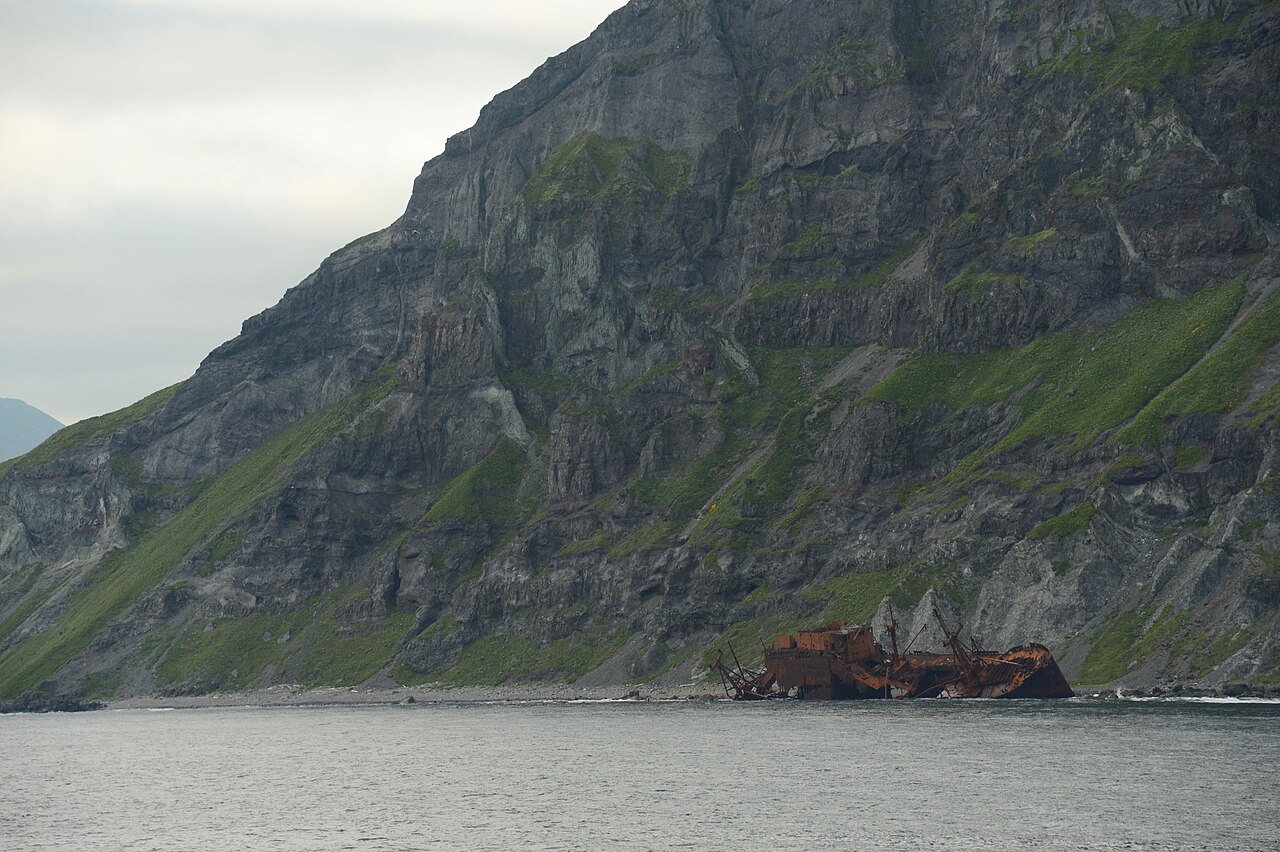
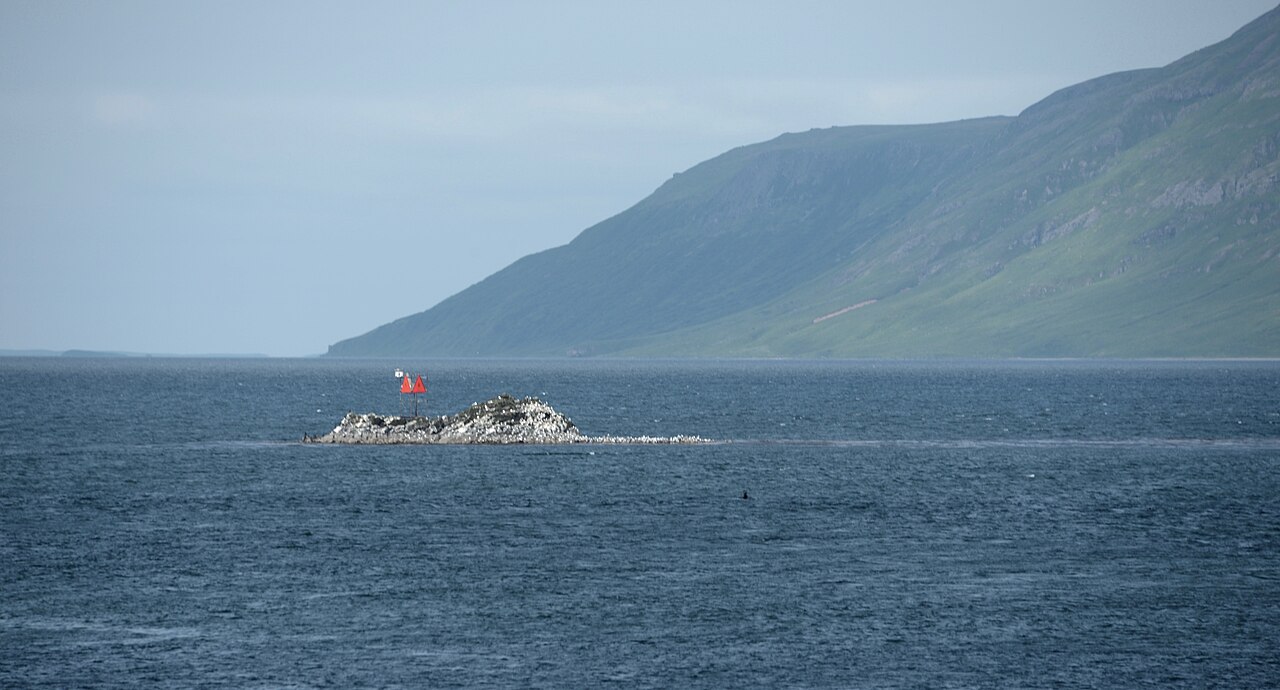
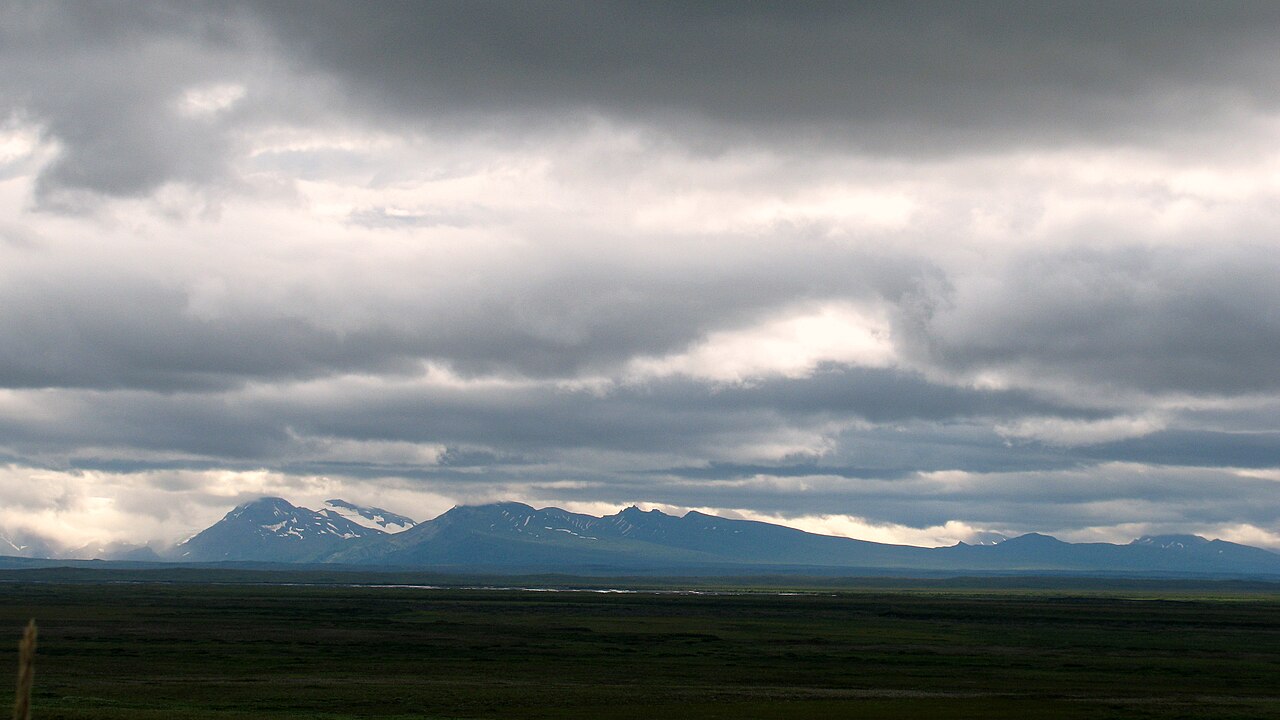
Frequently Asked Questions
What is Alaska Peninsula's role in the geography?
Its core function is serving as a natural barrier that keeps the Pacific Ocean and Bristol Bay (a Bering Sea arm) from merging into one open body of water. Essentially, it holds two major waterways apart like a living wall.
How does Alaska Peninsula's story end?
Instead of a sharp cliff-edge finale, the peninsula gradually tapers into the Aleutian Islands chain at its southwestern tip. Fans often describe this as the character dissolving into a string of smaller island companions.
What powers or abilities does Alaska Peninsula have?
Its volcanic geology means the landform is essentially alive—Pavlof and neighboring peaks can erupt, deposit fresh ash, and reshape the surrounding terrain. The Aleutian Range running its full length gives it a rugged, ever-shifting character unlike flat, static landmasses.
More in Peninsulas And Capes 1-24
Related in Peninsulas And Capes
Links follow this subject's own source article.
Elsewhere in the Peninsulas And Capes universe
Spotted an error? Know more?
This is a living reference — every entry is fact-audited, and reader corrections feed straight into our audit queue. Suggest an edit · See this site's audit record